

*This article has been updated to reflect the NFCC’s February 2026 guidance, which replaces its 2023 framework.
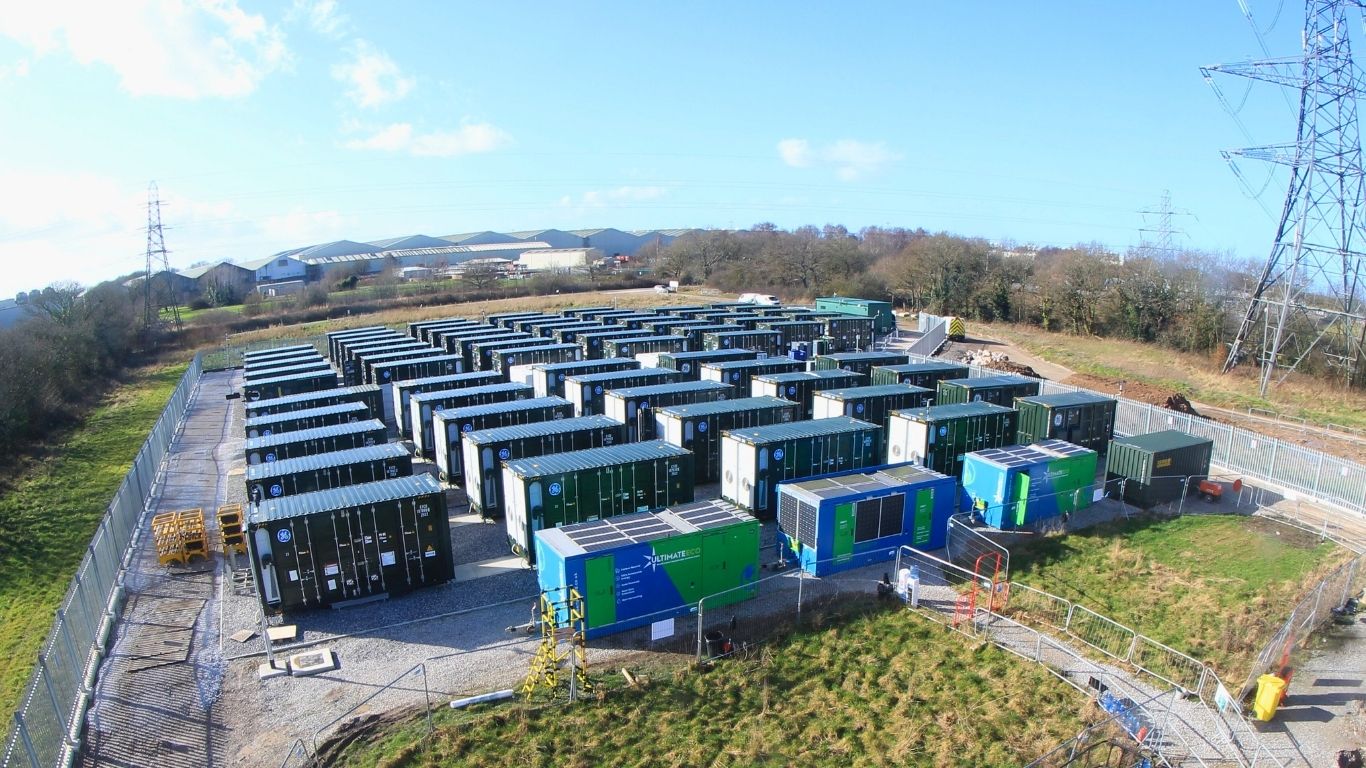
Battery storage helps us get the most out of renewable energy. It is thanks in part to the deployment of battery energy storage systems (BESS) that renewable energy now provides over a third of all our electricity in the UK.
However, the ability to build BESS projects closer to grid infrastructure also puts them closer to residential areas. The result? Local communities are being asked to make important decisions without being provided with important facts. The desire to consider carefully any new development in your community is sensible, but social media is awash with misinformation regarding the safety of BESS.
At Ethical Power, we believe transparency is a prerequisite for trust. Let us explain how we keep our BESS projects and the communities around them safe.
What is BESS, and why do we need it?
The UK is a leader in BESS deployment, with over 70 GWh of approved projects due to be connected by 2030. We have the knowledge, expertise, and infrastructure to deliver the safest, most efficient battery storage.
For context, that would power over 20,000 households for a year, or nearly seven and a half million homes for a day. In reality, we would never need to power entire populations just using battery storage, but this should give you a good idea of how much of an impact battery storage has on our grid.
Naturally, our fire and rescue services take BESS safety very seriously and, as a result, we have some of the highest safety standards in the world.
The National Fire Chiefs Council (NFCC ) is the national authority that helps support and improve all aspects of the fire rescue services. To help ensure BESS projects are rolled out safely, they published a document titled the ‘Grid Scale Battery Energy Storage System planning’, in which they describe BESS as “a fundamental part of the UK’s move toward a sustainable energy system.” Following NFCC guidelines ensures that modern BESS projects in the UK are designed, built, and monitored according to world-leading fire safety standards.
Despite not being mandatory yet, here at Ethical Power, we develop all our new BESS projects in line with this guidance. But what exactly do the top advisors have to say about battery storage?
The UK's Gold Standard: How NFCC Guidance Keeps You Safe
This document lays out a step-by-step approach to safe BESS development and references several similar documents from other countries to illustrate key learnings. So, what are some of the key measures the fire chiefs recommend?
But these are just guidelines, can’t you ignore them?
In short, no! At least, not if we want our projects to receive planning permission. Choosing to ignore expert guidance on safety is not a great way to convince local authorities that your project is a net positive. We always strive to develop and build to the highest standards and take on best practices from every angle. Guidelines like these help, not hinder, BESS deployments.
While the combination of NFCC guidance and planning authorities acts as a very effective filter, legislation is on the books that would enforce these standards.
The Battery Safety (Lithium Ion) Bill states clearly that its number one purpose is to “Make provision regarding the safe storage, use and disposal of lithium-ion batteries; and for connected purposes.”
This bill, once passed, will make it mandatory for companies developing battery storage projects to consult the Environment Agency, the Health and Safety Executive, as well as the local fire and rescue service. There is also provision made for the Secretary of State to regulate environmental permits as well as the safe disposal of lithium-ion batteries.
With strong legislation like this, we will be able to maintain the UK’s exemplary safety record when it comes to battery energy storage. There are nearly 200 operational battery storage sites across the UK, owned and operated by many different companies, and yet only one recorded fire to date.
Why it matters
These battery systems don’t just make the grid smarter, they make it cleaner, cheaper, and more reliable. They allow us to store energy, especially domestically produced wind and solar power, for when it’s needed most. And they help reduce our reliance on costly and destructive imported fossil fuels.
Because the demand is so strong, we must take extra care to ensure that all battery storage projects meet the same standards ours do, and that they remain safe for the communities and environments they neighbour.
Ethical Power is committed to working together with communities on all our projects, so if you have any questions about a proposed development, please get in touch using the contact form below.
You may also find our “Renewable energy FAQs” interesting, which are also linked below.