

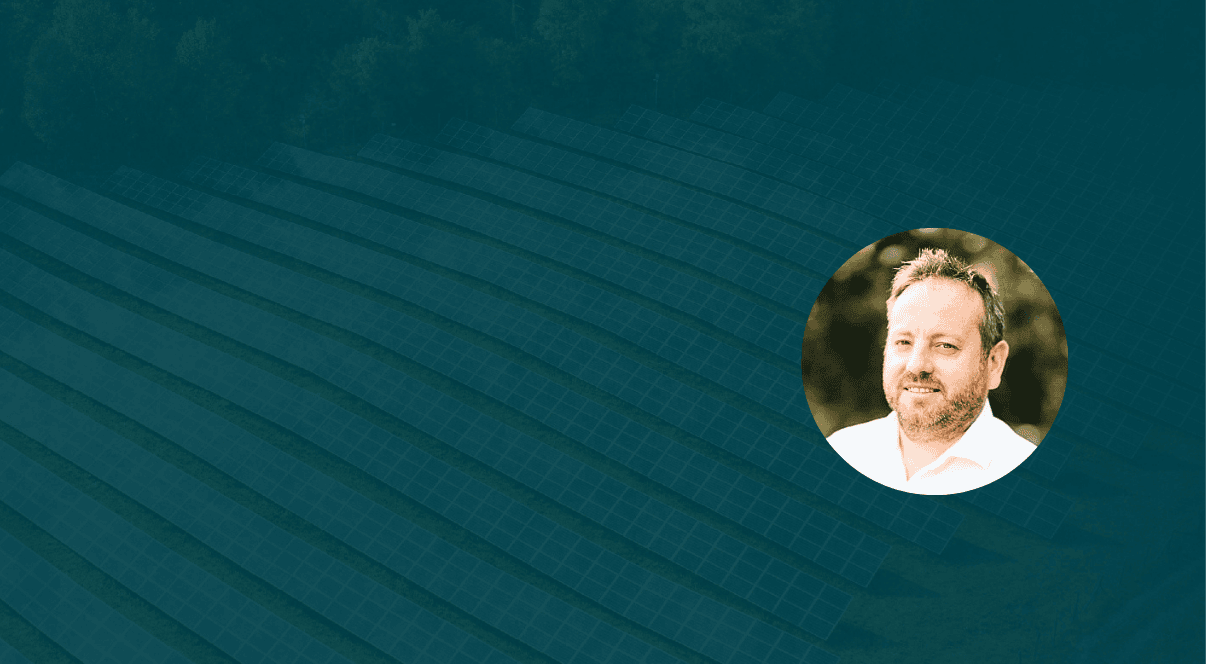
Beyond hydro, the role of solar
Solar is no longer a distant promise on the energy horizon, it’s here, and the industry’s expansion has come as a sudden shift in the energy landscape. But with rapid growth comes a fundamental question: what kind of solar industry do we want to build in New Zealand? And how do we go the extra mile?
I believe New Zealand has a unique opportunity to build a solar industry that goes beyond speed and low costs, one that is rooted in community, guided by cultural values and reflective of the nation’s long-term vision for sustainability.
New Zealand’s heavy reliance on hydro means our energy supply is vulnerable during dry season, making solar essential to ensure reliable energy generation. Solar, as a highly scalable and distributed technology, is a vital part of the solution, not only to diversify our hydro-dependent grid, but also to strengthen and complement the power infrastructure that communities already depend on.
Building for the people and the planet
Very often, infrastructure projects come into New Zealand, with overseas contractors who deliver these projects quickly, and then leave. Materials are shipped from overseas and trucked across the country. Projects can be disconnected from the people and communities that host them in their locality. And all the while, we call it ‘clean energy.’ But energy can only be truly clean if the process of creating it respects the environment, supports the local industry, and benefits the communities around it.
Together with our client Meridian Energy, we saw these shortcomings as an opportunity to rethink how solar projects could be delivered in New Zealand. Working closely together has allowed us to draw on Meridian’s deep understanding of the local energy landscape and combine it with our global expertise in solar delivery. This partnership means we’re not just overcoming challenges; we’re also setting new benchmarks for how renewable energy projects can create long-term value for communities, the environment and the energy system.
Rather than move the circa 750 containers of cargo from ports hundreds of kilometres away, we’re landing them at Northport, just 500m from the site entrance. This approach removes thousands of kilometres of truck journeys from the roads and preserves local infrastructure.
To ensure we keep a close eye on how we do things and care for our surroundings, our environmental and sustainability specialists are based on-site every day, not reporting from a distant office. This hands-on oversight ensures we’re not just compliant, but proactive in protecting New Zealand’s ecosystems.
We’ll also be using sheep grazing as a natural form of vegetation control, which supports local farming and aligns with the wider regenerative ethos many New Zealanders want to see in land use. Even our security fencing uses wooden posts, not concrete or steel, which is a great example of sustainability in design.
At the Ruakākā solar farm we are partnering with local whānau to create employment opportunities, observe and uphold tikanga, and deepen the project’s connection to the place.
Sustainability does not mean cutting corners, it means making better choices.
Together with our stakeholders, we consider not just how energy is generated, but what it costs the environment to get there. At our sites, we’re using low-carbon concrete for inverter stations. Throughout the construction phase, a range of metrics are used, and fuel, water and energy consumption are tracked and reviewed in an effort to dial down on our sustainability performance.
Some of our experience in the UK has shown us how easily mistakes can be made when environmental considerations are not prioritised early enough. That’s why biodiversity net gain has become such a strong focus there, it is a response to the lessons learned from past oversights. In New Zealand, the emphasis has been on biosecurity – and rightly so.
Here, our approach is to build on that foundation: every machine entering our sites is thoroughly inspected to prevent the introduction of pathogens or invasive species, and we implement detailed management plans to safeguard our bats, lizards, birds, and freshwater fish. Protecting these ecosystems isn’t just a regulatory requirement, it is part of our responsibility as long-term stewards of our land.
Doing solar differently
There is no shortage of developers willing to build fast and cheap. But if New Zealand wants a renewable future that reflects its values, we need more than just speed and low costs, we need integrity. We must consider how energy projects impact communities, landscapes and culture. At Ethical Power, we are constantly asking ourselves the important question of “is this the best we can do?”, and we are committed to doing everything we can to answer that with a resounding “yes!”.
Ethical Power is here to stay, and that means investing in people as much as in our projects. Our commitment is to hire locally wherever we build, aiming to draw talent from within a 50km radius of our solar farms, which is a principle we intend to uphold into the future of our business. We’re proud to be working alongside Meridian Energy on this – their local knowledge and leadership in the sector make this approach possible.
We’ve partnered with companies like New Energy to deliver training and upskilling, ensuring the industry develops hand in hand with the communities around it. We also prioritise New Zealand suppliers at every opportunity, from using Kiwi contractors to locally sourced materials.
I’ve been working in the energy industry for over 20 years, across Europe and Australasia, and I’ve seen firsthand the mistakes that get made when the focus is solely on low costs and speed of delivery. Solar power shouldn’t just be about powering homes or ticking the boxes on the bottom line, it should be about empowering communities and raising standards every step of the way.
Here in New Zealand, we have got a chance to do things differently, to build an industry rooted in kaitiakitanga, sustainability, and ingenuity. But these things don’t happen by accident, it takes a conscious effort and the will to consistently raise the bar.
In the future, we will continue to look for ways to do things differently and better, and we want the communities we work with to be part of that journey. Your involvement is critical: the more engaged and vocal you are, the more we can ensure that our projects are built the way YOU want them to be.