

Large-scale battery energy storage systems (BESS) are becoming a critical part of the UK’s energy infrastructure. As renewable generation increases, grid-scale battery storage plays a vital role in balancing supply and demand, stabilising the network, and supporting the transition to a low-carbon electricity system.
As a result, the battery storage industry is crossing a key threshold.
Projects in the 200–300MW range are no longer theoretical; they are being delivered, energised, and relied upon to support grid stability at a national level. But delivering at this scale requires a fundamentally different approach to design, engineering, construction, and commissioning.
At Ethical Power, we have designed and delivered dozens of battery energy storage facilities, some in the hundreds of MWs. From our experience, several critical factors consistently determine whether a project succeeds or stalls.
Designing battery storage for scale and flexibility
Large-scale BESS developments are rarely single, monolithic assets. They are often designed and delivered as multiple independent compounds, consolidated into a single grid-connected platform. This modular approach improves resilience and constructability but places significant demands on system topology, protection coordination, and network architecture.
Designing high-capacity 33kV and 132 kV systems that can accommodate rapid charge and discharge, while remaining compliant and future-proofed, requires early, detailed electromechanical planning. Once you are working with hundreds of MW of battery storage, it becomes incredibly difficult to revise or revisit earlier design decisions, so getting this right at the start will save you a lot of headaches down the road.
Given that BESS requirements and grid connection standards continue to evolve regularly, the ICP contractor must remain proactive and adaptable throughout the design and delivery process. Continuous improvement, flexibility, and effective stakeholder communication are essential to ensure compliance, maintain project timelines, and deliver a robust and future-proof grid connection solution.
Equally important is designing sites with headroom for expansion. Several recent projects we have worked on have been engineered with spare capacity, physically and electrically, allowing additional battery units to be added as market demand evolves, without disruptive retrofits.
System integration challenges in utility-scale BESS projects
Battery storage projects in the hundreds of MW can involve dozens of Power Conversion Systems (PCSs), hundreds of battery units, potentially dozens of transformers and many kilometres of DC cables. In this case, integration is the defining challenge. This is a huge number of components and interactions, from multiple vendors, all with their own protocols. If there was ever a case for procurement to be determined more by design considerations than commercial, this is it.
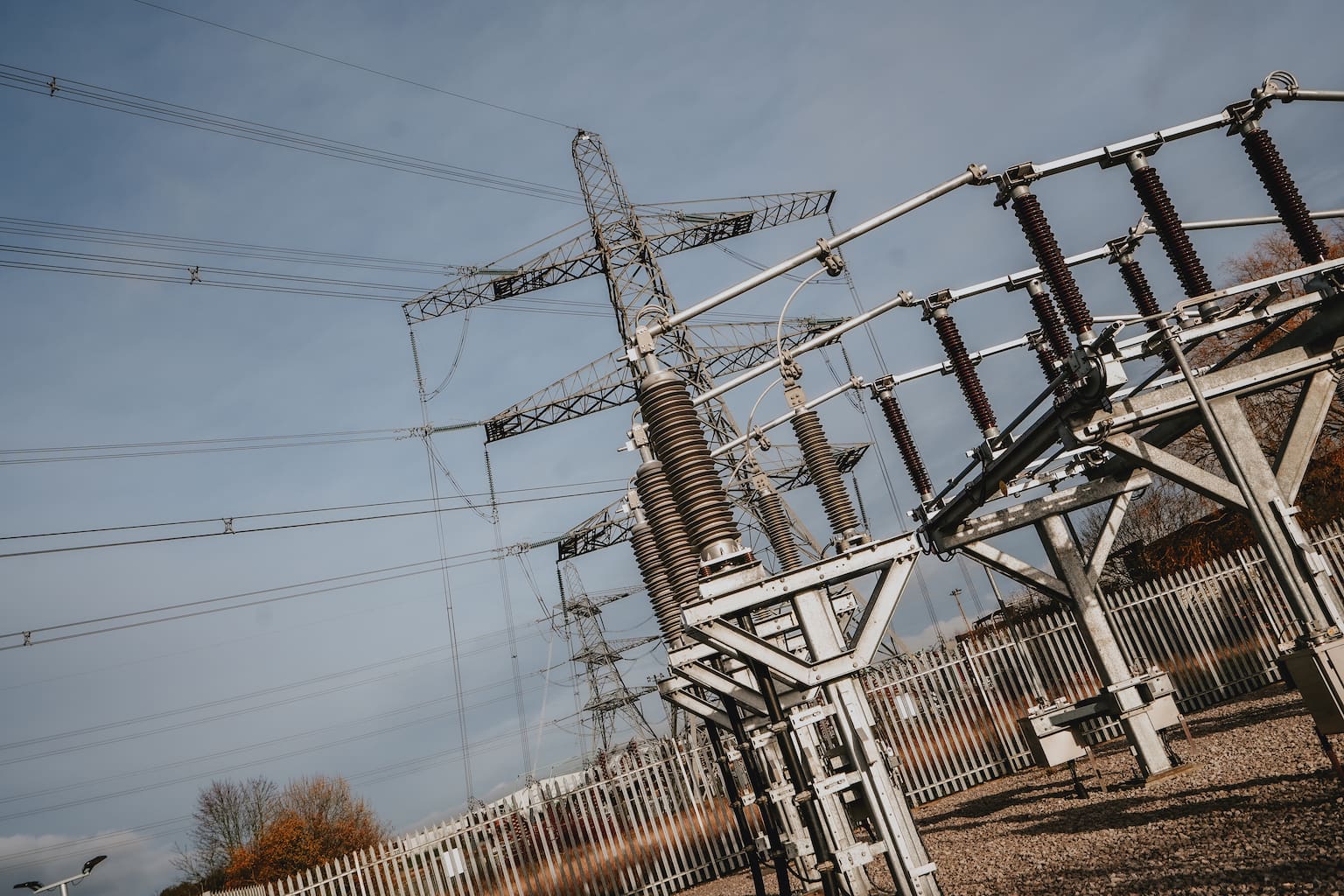
Utility-scale BESS is now inseparable from high-voltage grid infrastructure. HV switch rooms, protection systems, communications, and control architecture must be treated as core assets, not bolt-ons.
Successful projects typically integrate HV considerations from day one, aligning civil layouts, electrical design, and grid requirements to streamline energisation and reduce late-stage surprises.
Utility-scale BESS is a team sport
At this scale, commissioning is less about individual components and more about orchestration. Coordinating OEMs, network operators, protection engineers and construction teams demands rigorous planning and clear accountability.
Each delivery partner will, quite understandably, be focused on their area of expertise, but anything less than excellent communication and coordination will lead to problems you just don’t need.
Close collaboration from the outset, with decisions made in the context of the whole system, not isolated packages, is what keeps your project on track.
Grid connection works include HV cabling, transmission infrastructure, and completion of grid connection studies. For cabling and transmission systems, meeting stringent technical and quality standards requires significantly more coordination and planning than the physical installation itself. Compliance with DNO/IDNO specifications, safety regulations, and commissioning procedures demands close collaboration between multiple stakeholders.
In addition, the dynamic nature of grid connection requirements and the limited availability of subject matter experts and commissioning engineers present further challenges. These factors can impact commissioning schedules and pose risks to timely project completion.
Therefore, early planning, resource allocation, and proactive coordination are essential to mitigate delays and ensure successful grid integration.
Raising the bar for battery energy storage
As BESS becomes a cornerstone of the UK’s low-carbon grid, expectations around quality, reliability, and delivery certainty are rising. Projects at the 300MW level are no longer “edge cases”, they are setting the benchmark for what the industry must deliver consistently.
The lessons learned from these developments point to a clear conclusion: scale magnifies everything. Good engineering becomes essential. Weak coordination becomes fatal. And partners with genuine end-to-end capability and a verified track record make the difference between ambition and execution.